
Your skin isn't failing you; it's communicating with you. What if those persistent, painful breakouts are actually a smoke signal from a digestive system in distress? It is a concept that modern science is now confirming with striking clarity. A major study reviewing over a decade of health data found that individuals with acne are significantly more likely to suffer from gastrointestinal issues compared to those with clear skin. If you have been searching for lasting balance, it's vital to identify the specific foods that damage gut lining and cause acne. These dietary choices compromise your delicate intestinal barrier, triggering the systemic inflammation that manifests as stubborn, cystic blemishes on the surface.
We know how exhausting it is to waste money on expensive topicals while your skin remains in a state of chaos. You deserve a path to clarity that feels grounded, intentional, and sustainable. In this article, you will discover the biological link between your gut microbiome and your complexion. We provide a clear list of inflammatory foods to avoid, from refined sugars to conventional dairy, and explain how they disrupt your internal equilibrium. By understanding this connection, you can move away from temporary fixes and toward a holistic strategy that heals your complexion from the inside out.
Key Takeaways
- Discover the "gut-skin axis," the vital communication pathway where your intestinal health dictates the clarity of your complexion.
- Pinpoint the common dietary triggers and foods that damage gut lining and cause acne, allowing you to stop the cycle of inflammation at its source.
- Trace the biological journey from a compromised gut barrier to cystic breakouts, understanding how a "leaky" gut alerts your immune system.
- Master a 21-day recovery protocol that pairs a strategic elimination phase with essential nutrients like Zinc and L-Glutamine to seal the gut.
- Integrate time-tested Ayurvedic principles to balance internal heat, providing your skin with the stable foundation it needs for lasting vitality.
The Gut-Skin Axis: Why Your Complexion Starts in Your Core
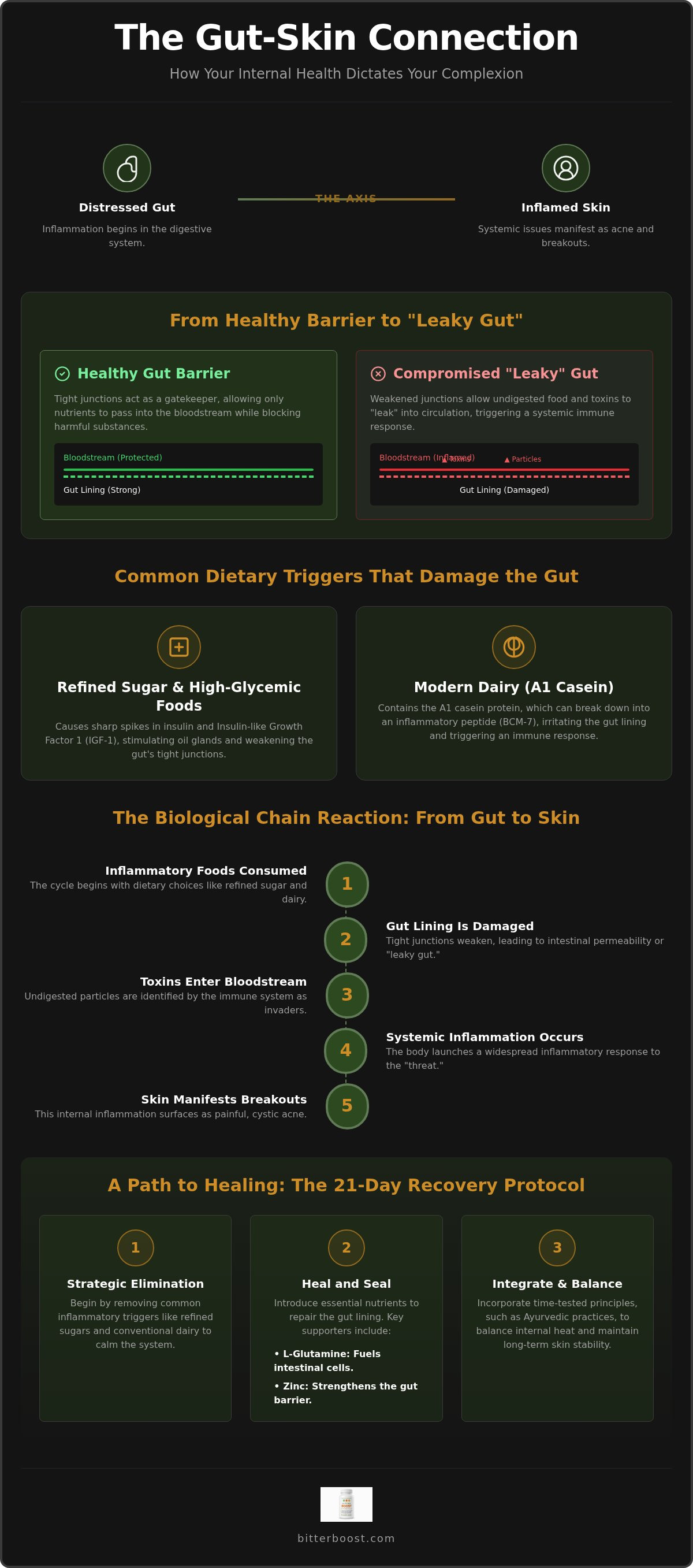
Your skin is a mirror. It reflects the intricate biological dance happening deep within your digestive tract. This connection, known as The Gut-Skin Axis, is a bidirectional communication network that determines whether your complexion remains calm or erupts in inflammation. When we consume specific foods that damage gut lining and cause acne, we aren't just affecting our digestion. We are sending a direct distress signal to our pores.
Traditional skincare focuses almost exclusively on the surface. It scrubs, peels, and medicates the symptoms. While these methods offer temporary relief, they frequently fail because the root cause remains untouched. A comprehensive study of Taiwan's National Health Insurance Database found a clear link between gastrointestinal issues and moderate-to-severe acne in individuals over the age of 12. This suggests that if your internal barrier is compromised, no amount of topical cream can fully silence the inflammatory cascade. Your intestinal wall acts as a sophisticated gatekeeper. When it's healthy, it filters nutrients while keeping toxins out. When it's damaged, those toxins leak into the bloodstream, eventually finding their way to your skin.
The Role of Intestinal Permeability
Intestinal permeability, commonly known as 'leaky gut,' occurs when the tight junctions of your intestinal lining become loose. Imagine a fine mesh screen that has developed small, jagged tears. These gaps allow undigested food particles and bacterial byproducts to enter your systemic circulation. Your immune system identifies these particles as foreign invaders. It responds with a surge of pro-inflammatory cytokines. This systemic alarm doesn't stay confined to the gut. It travels through the blood, often manifesting as chronic redness, heat, or painful cystic acne. Healing this barrier is the first step toward reclaiming your quiet confidence.
Signaling Through the Microbiome
A diverse microbiome is your skin's silent protector. Beneficial bacteria produce short-chain fatty acids (SCFAs), which strengthen the gut barrier and exert a stabilizing effect on the skin. However, a diet heavy in inflammatory foods that damage gut lining and cause acne shifts this delicate balance. Pathogenic bacteria begin to dominate, producing metabolites that increase sebum production and clog pores. This is where the gut-brain-skin axis converges. Stress and poor dietary choices create a perfect storm, disrupting your internal equilibrium. True vitality isn't found in a bottle of cleanser; it's grown from the inside out through intentional, systemic support.
Foods That Damage Gut Lining and Cause Acne
Identification is power. While understanding the gut-skin axis provides the "why," pinpointing the specific triggers on your plate provides the "how" for lasting change. For many, the journey to clear skin is stalled not by a lack of effort, but by a lack of clarity regarding which ingredients are sabotaging their progress. Identifying the specific foods that damage gut lining and cause acne is the most effective way to halt this internal fire and restore your natural glow.
The Sugar-Insulin-Acne Cycle
Refined sugar is perhaps the most aggressive disruptor of both intestinal integrity and skin clarity. When you consume high-glycemic foods, your body responds with a sharp surge of insulin and Insulin-like Growth Factor 1 (IGF-1). This hormonal spike doesn't just stimulate oil glands; it also weakens the tight junctions of your intestinal wall. Research into The Gut-Skin Axis and Acne suggests that these sugar-induced insulin spikes create a fertile ground for inflammatory metabolites to flourish. Glycemic load represents a numeric value that estimates how much a specific portion of food will raise a person's blood glucose levels, which in turn dictates the intensity of sebum production in the pores. By reducing sugar, you effectively starve the dysbiosis in your gut.
Modern Dairy and Gut Irritation
That morning latte might be the hidden culprit behind persistent, cystic breakouts. Most commercial milk contains A1 casein, a protein that can break down into an inflammatory peptide called BCM-7 during digestion. For sensitive individuals, this protein irritates the gut lining and triggers a systemic immune response. Furthermore, commercial dairy often contains naturally occurring hormones designed to support rapid growth, which can mimic human acne triggers once they enter your bloodstream. If you suspect dairy is a factor, consider transitioning to A2 milk, goat's milk, or creamy plant-based alternatives like coconut or almond milk to support rather than sabotage your gut barrier.
Processed Additives and 'Hidden' Gut Damage
Beyond the obvious culprits, modern food processing introduces "hidden" disruptors that erode your internal harmony. Industrial seed oils, such as soybean and corn oil, are high in Omega-6 fatty acids that create a pro-inflammatory environment when consumed in excess. Artificial sweeteners and emulsifiers like polysorbate 80 act almost like a detergent, thinning the protective mucus layer of your gut. Even processed "gluten-free" products can be problematic; they often rely on refined starches and thickeners that irritate a sensitive system. Removing the foods that damage gut lining and cause acne creates the space your body needs to repair its delicate barriers. While you transition toward these whole-food choices, incorporating herbal bitters into your routine can help support the digestive fire necessary for proper nutrient absorption and toxin elimination.
From Leaky Gut to Cystic Acne: The Biological Chain Reaction
It begins with a silent breach. When you consume foods that damage gut lining and cause acne, the structural integrity of your intestinal wall begins to dissolve. This isn't merely a local digestive issue. It's the catalyst for a systemic chain reaction that eventually surfaces on your face. Understanding this biological sequence is the key to moving beyond temporary topical fixes and toward true, internal healing.
The first stage is a process known as metabolic endotoxemia. Once the intestinal barrier fails, toxins like lipopolysaccharides (LPS) slip into your bloodstream. Your immune system doesn't hesitate. It identifies these particles as foreign invaders and releases a flood of pro-inflammatory cytokines to neutralize the threat. This inflammation is mobile. It travels through your circulatory system until it reaches the sebaceous glands. Here, the cytokines act as a chemical trigger. They signal your pores to overproduce sebum, making the oil thick and sticky. Pores clog. Bacteria thrive. The end result is the painful, deep-seated cystic acne that feels impossible to treat from the outside.
The Liver's Role: The Overworked Filter
Think of your liver as the body's primary filtration plant. Every drop of blood from your digestive tract passes through it before circulating elsewhere. When your gut is leaky, the liver is bombarded with an unrelenting stream of debris. It becomes overworked. It becomes sluggish. When the liver can no longer process this toxic load, your body seeks an alternative exit. It turns to your largest organ: the skin. This "emergency exit" strategy is what leads to chronic breakouts. This is why incorporating bitter compounds is so vital. These natural elements stimulate bile production, helping the liver flush out invaders efficiently before they ever reach your complexion.
Hormonal Mimicry and Inflammation
Gut-derived inflammation does more than just trigger oil production. It actively interferes with your endocrine system. This systemic stress can disrupt the delicate balance between progesterone and estrogen, often manifesting as persistent acne along the jawline and chin. Many people mistake this for a simple hormonal "glitch." In reality, it's often a gut-driven imbalance. Clearing the gut is the first step to balancing hormones naturally. It removes the inflammatory noise that prevents your body from finding its own internal rhythm. By healing the core, you allow your hormones to stabilize without the constant interference of a compromised digestive barrier.
Healing the Barrier: Nutritional Strategies for a Clearer Complexion
Healing is not a passive event; it is an intentional practice of restoration. Once you have identified the foods that damage gut lining and cause acne, the next phase is to provide your body with the structural components it needs to rebuild. This process begins with a 21-day elimination phase. This three-week window is essential because it allows the systemic inflammation to subside, giving your intestinal wall the quiet space necessary for cellular repair. By removing the triggers, you stop the constant breach of your internal defenses.
To accelerate this recovery, you must incorporate specific "gut-sealing" nutrients that act as the biological architects of your barrier. Zinc is a critical mineral for skin repair and immune function, helping to close the gaps in a leaky gut. Vitamin A supports the integrity of mucosal surfaces and regulates sebum production, while L-Glutamine serves as the primary fuel for the cells that line your small intestine. When these nutrients are present, your body can transition from a state of emergency to one of stable, long-term health.
The Power of Anti-Inflammatory Superfoods
Nature provides a sophisticated toolkit for cooling internal heat. Turmeric and ginger are nature's systemic coolants, working to dampen the inflammatory signals that travel from the gut to the pores. Leafy greens, such as arugula and kale, provide the diverse fibers necessary to cultivate a resilient microbiome. Neem is particularly potent in this context; it contains over 140 active compounds, including nimbidin and nimbin, which provide concentrated antioxidant support to neutralize oxidative stress and clear systemic toxins from the blood. These foods don't just mask symptoms; they change the internal environment that allows acne to persist.
Rebuilding the Mucosal Layer
Think of bone broth and collagen as the "bricks and mortar" of your digestive tract. They are rich in amino acids like glycine and proline, which are the fundamental building blocks of the gut wall. To support these structures, you must also feed your beneficial bacteria with prebiotic fibers found in garlic, onions, and asparagus. However, the way you eat is just as important as what you eat. Slow, intentional eating is essential for proper nutrient absorption. When you chew thoroughly and eat in a relaxed state, you activate the cephalic phase of digestion, ensuring your body can actually utilize the healing nutrients you are providing.
As you integrate these nutritional shifts, you may find that your system benefit from additional botanical support to optimize the process. To provide your gut with the traditional herbal wisdom it needs to thrive, you can shop Bitter Boost bundles to support your internal healing journey from the inside out.
Beyond Diet: Holistic Support for Lasting Skin Harmony
Dietary shifts are the essential foundation for a clear complexion. However, while removing foods that damage gut lining and cause acne is the vital first step, the biological momentum of chronic inflammation often requires a more focused, botanical intervention to fully reset. Your body is a complex system of interconnected pathways. Sometimes, even the most disciplined dietary changes need a gentle, herbal nudge to restore the internal harmony that has been disrupted by years of modern lifestyle stressors.
In the tradition of Ayurveda, skin issues are often viewed as an excess of "Pitta," or internal heat. When the gut is irritated and the liver is overworked, this heat overflows into the blood. Modern diets are heavily weighted toward sweet, salty, and sour flavors, almost entirely neglecting the bitter taste that our ancestors relied upon for digestive health. Bitter compounds act as a natural reset button for the digestive system. They stimulate the production of bile and digestive enzymes, ensuring that toxins are efficiently neutralized before they can trigger a systemic inflammatory response. This is the missing link in many modern skin-clearing protocols.
The Bitter Boost: Ancient Herbs for Modern Skin
Bitter Boost was designed to bridge this gap between ancient wisdom and contemporary needs. It features a synergistic blend of over 20 Ayurvedic herbs, including neem and turmeric, specifically chosen to support the gut-liver-skin axis. Neem and bitter melon have been used for centuries as traditional "blood purifiers," helping to clear the systemic heat that leads to painful cystic breakouts. Because these herbs are delivered in vegetarian capsules, they fit seamlessly into a busy, holistic lifestyle. Manufactured in the USA, this formula provides a reliable, high-potency way to support your body's natural detoxification pathways without the need for complex preparations.
Starting Your Journey to Internal Balance
Healing is a journey of consistency rather than intensity. It is important to set realistic expectations for your skin's transformation. The human skin-cell turnover cycle typically takes about 30 days, meaning the changes you make today in your gut will take several weeks to manifest fully on the surface. Pairing a supplement like Bitter Boost with a gut-friendly diet creates a powerful, two-pronged approach to wellness. While you wait for your system to find its equilibrium, remember that you are supported by a 30-day money-back guarantee, allowing you to embark on this path with informed confidence. Discover how Bitter Boost supports your journey to clear skin from within.
Reclaiming Your Internal Equilibrium
True skin clarity isn't found in a bottle of cleanser; it's grown within the integrity of your intestinal barrier. By identifying the specific foods that damage gut lining and cause acne, you've already taken the most difficult step toward lasting health. You now understand that persistent breakouts are a systemic message rather than a surface-level mistake. Healing requires a shift from temporary topical fixes to a grounded, long-term partnership with your body's internal filtration systems.
Transitioning to a whole-food diet is a powerful foundation, but your system may need a concentrated botanical boost to fully restore its natural rhythm. Bitter Boost is made in the USA and formulated with over 20 Ayurvedic herbs designed to support your gut-liver axis and cool systemic inflammation. It's a risk-free investment in your vitality, backed by a 30-day money-back guarantee. Support your gut and clear your skin with Bitter Boost. You have the knowledge and the tools to transform your complexion from the core. Your journey to quiet confidence begins with this intentional choice.
Frequently Asked Questions
Can certain foods cause acne overnight?
Breakouts rarely happen overnight; they are typically the result of a biological lag. While a high-sugar meal can spike your insulin immediately, the resulting inflammation usually takes 24 to 72 hours to manifest as a visible blemish. This window allows the chain reaction from gut irritation to sebum overproduction to complete its cycle. If you wake up with a new spot, it's likely a reflection of what you ate two or three days ago.
How long does it take for the gut to heal and acne to clear?
Most individuals begin to see a visible shift in their complexion within 30 to 90 days. This timeline is dictated by the 30-day skin-cell turnover cycle and the time your intestinal lining needs to regenerate its delicate tight junctions. Consistency is your greatest ally during this phase. By strictly avoiding foods that damage gut lining and cause acne, you provide your body with the uninterrupted time it needs to seal the barrier and quiet systemic inflammation.
Is coffee bad for the gut lining and acne?
Coffee isn't inherently damaging for everyone, but its high acidity can irritate an already sensitive digestive tract. The primary issue for many isn't the bean itself, but the inflammatory additives like conventional dairy and refined syrups. If you suspect your morning cup is a trigger, try switching to a low-acid roast or enjoy it black. This allows you to reap the antioxidant benefits without the digestive distress that leads to skin flares.
Can probiotics make acne worse before it gets better?
Yes, it is possible to experience a temporary flare-up when you first introduce live cultures. This is often referred to as a "healing crisis" or bacterial die-off, where the shift in your microbiome releases metabolic byproducts that briefly increase inflammation. These reactions usually subside within one to two weeks. Once your internal flora stabilizes, the beneficial bacteria will begin to support a much calmer, clearer complexion.
What are the best snacks for someone with a damaged gut and acne?
The most supportive snacks are those that provide stable energy without spiking your insulin levels. Reach for raw walnuts, pumpkin seeds, or low-glycemic fruits like organic berries and green apples. These whole foods offer the fiber and healthy fats necessary for intestinal repair. They satisfy your hunger without introducing the emulsifiers or preservatives that often hide in processed "healthy" snack bars.
Do I need to go 100% gluten-free to clear my skin?
You don't necessarily need to avoid gluten forever, but a temporary 100% elimination is the most effective way to test for sensitivity. Modern wheat is often difficult for a compromised system to break down and can contribute to increased intestinal permeability. Many people find that once they heal their gut, they can occasionally enjoy ancient, non-hybridized grains without triggering the inflammatory response that leads to breakouts.
What is the #1 food to avoid for cystic acne?
Refined sugar is the most critical ingredient to eliminate if you are struggling with deep, painful cysts. It is one of the primary foods that damage gut lining and cause acne because it causes an immediate surge in IGF-1, a hormone that aggressively stimulates oil production. By removing soda, white bread, and hidden sugars, you effectively starve the inflammatory process at its source and allow your pores to clear.
How do I know if my acne is caused by my gut?
If your breakouts are frequently accompanied by bloating, indigestion, or fatigue after meals, your gut is almost certainly involved. Acne that clusters around the cheeks and jawline is also a common sign of internal imbalance. When expensive topical creams and prescriptions fail to provide a lasting solution, it's a clear signal from your body that the root cause is residing in your digestive tract rather than on your skin's surface.